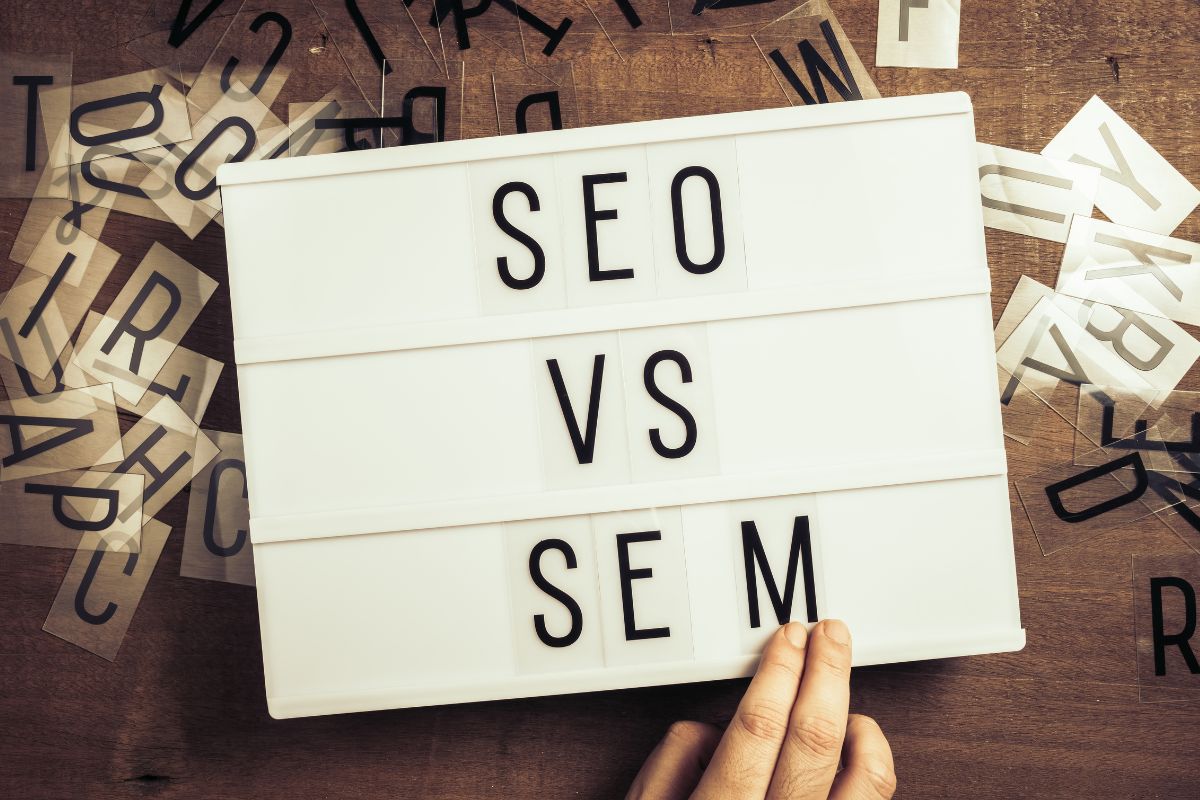
SEO vs SEM: Key Differences Every Business Should Know
SEO and SEM are two of the most powerful digital marketing strategies used to increase online visibility, generate website traffic, and attract potential customers through search engines. However, many businesses confuse the two concepts or assume they are interchangeable. While both SEO and SEM aim to improve search visibility, they operate through entirely different mechanisms, timelines, and cost structures.
Understanding the difference between SEO and SEM is critical because choosing the wrong strategy can affect marketing costs, lead quality, traffic sustainability, and long-term business growth. Some businesses need immediate visibility through paid advertising, while others require long-term organic authority that compounds over time. In many cases, the strongest digital growth comes from combining both strategically.
This guide provides a detailed breakdown of SEO vs SEM, how each works, their advantages, limitations, ideal use cases, and how businesses can determine the right approach based on goals, competition, and growth stage.
What Is SEO?
SEO (Search Engine Optimization) is the process of optimizing a website to improve its visibility in unpaid, organic search engine results. The goal of SEO is to increase rankings for relevant search queries and attract qualified traffic without paying directly for clicks.
SEO focuses on improving:
• Website relevance
• Technical performance
• Content quality
• User experience
• Authority and trust signals
Search engines rank websites organically based on how useful, relevant, and authoritative they appear for specific searches.
Core Components of SEO
1. On-Page SEO
This involves optimizing elements directly within the website.
Examples include:
• Keyword optimization
• Meta titles and descriptions
• Internal linking
• Content structure
• Image optimization
2. Technical SEO
Technical SEO improves website infrastructure.
Examples include:
• Website speed optimization
• Mobile responsiveness
• Crawlability improvements
• XML sitemap optimization
• Structured data implementation
3. Off-Page SEO
Off-page SEO focuses on external authority signals.
Examples include:
• Backlink building
• Brand mentions
• Digital PR campaigns
• Authority outreach
Example of SEO in Action
A law firm in Nairobi optimizes its website for the keyword:
“Best corporate lawyer in Nairobi”
Over time, through content creation, technical SEO, and backlinks, the website begins ranking organically on Google’s first page without paying for clicks.
What Is SEM?
SEM (Search Engine Marketing) refers to paid marketing strategies used to increase visibility in search engine results pages. SEM primarily involves running paid advertisements through platforms such as Google Ads.
Instead of earning rankings organically, businesses pay to appear in sponsored search results.
SEM focuses on:
• Immediate search visibility
• Paid traffic acquisition
• High-intent keyword targeting
• Conversion-focused advertising campaigns
Core Components of SEM
1. Paid Search Advertising (PPC)
Businesses bid on keywords and pay when users click their ads.
Examples:
• Google Search Ads
• Bing Ads
2. Ad Copy Optimization
Creating compelling ad headlines and descriptions that improve click-through rates.
3. Landing Page Optimization
Designing high-converting pages that maximize ad performance.
4. Budget and Bid Management
Controlling ad spend while maximizing ROI.
Example of SEM in Action
A real estate company runs Google Ads targeting:
“Luxury apartments for sale in Nairobi”
The company pays for every click generated through the ad campaign and immediately appears at the top of Google search results.
SEO vs SEM: Quick Comparison Table
| Factor | SEO | SEM |
|---|---|---|
| Full Meaning | Search Engine Optimization | Search Engine Marketing |
| Traffic Type | Organic (unpaid) | Paid traffic |
| Cost Structure | No payment per click | Pay-per-click (PPC) |
| Time to Results | Long-term | Immediate |
| Sustainability | Long-lasting | Stops when ads stop |
| Main Focus | Organic rankings | Paid visibility |
| ROI Timeline | Compounds over time | Faster short-term returns |
| Trust Level | Higher user trust | Lower trust than organic |
| Competition Handling | Content + authority | Budget + bidding |
| Scalability | Strong long-term scalability | Limited by ad budget |
| Click Costs | No direct click costs | Continuous spending required |
| Best For | Long-term growth | Immediate traffic and leads |
Key Differences Between SEO and SEM Explained
1. Organic Visibility vs Paid Visibility
The biggest difference between SEO and SEM is how visibility is achieved.
SEO:
SEO earns visibility organically through optimization and authority building.
Businesses rank because search engines consider their content valuable and relevant.
SEM:
SEM buys visibility through advertising budgets.
Businesses pay search engines to display ads for targeted keywords.
2. Cost Structure
SEO Cost Model
SEO requires investment in:
• Content development
• Technical optimization
• SEO tools
• Link building
However, businesses do not pay for each click generated organically.
SEM Cost Model
SEM operates on a pay-per-click system.
Businesses are charged every time a user clicks an ad, making traffic directly dependent on advertising budgets.
3. Timeframe for Results
SEO Timeline
SEO typically requires:
• 3–6 months for measurable growth
• 6–12 months for strong authority development
SEO is slower initially but becomes increasingly sustainable.
SEM Timeline
SEM can generate:
• Immediate traffic
• Instant visibility
• Faster lead generation
However, traffic stops when campaigns stop.
4. Sustainability of Results
SEO Sustainability
SEO creates long-term digital assets.
Optimized pages can continue generating traffic for years with ongoing maintenance.
SEM Sustainability
SEM traffic disappears immediately when advertising spend stops.
This makes SEM less sustainable without continuous investment.
5. User Trust and Credibility
Users often trust organic results more than paid ads because organic rankings are perceived as earned rather than purchased.
SEO Advantage:
Organic rankings build:
• Brand authority
• Credibility
• Long-term trust
SEM Limitation:
Some users intentionally skip ads and focus on organic results.
6. Long-Term ROI
SEO ROI
SEO typically delivers stronger long-term ROI because traffic compounds over time without continuous click costs.
SEM ROI
SEM can generate fast returns but becomes expensive over long periods, especially in competitive industries.
SEO vs SEM: Which Delivers Better Long-Term ROI?
For sustainable business growth, SEO generally delivers stronger long-term ROI because it builds lasting visibility and reduces long-term customer acquisition costs.
However, SEM can deliver faster short-term opportunities.
SEO is ideal for:
• Long-term authority building
• Sustainable traffic growth
• Lower long-term acquisition costs
• Brand credibility development
SEM is ideal for:
• Product launches
• Time-sensitive campaigns
• Immediate lead generation
• Seasonal promotions
The best strategy often combines both.
When Businesses Should Use SEO
SEO is most effective when businesses want:
• Sustainable long-term traffic
• Brand authority growth
• Lower dependency on advertising
• Consistent lead generation
• Long-term competitive positioning
Example:
A consultancy firm investing in educational SEO blogs to attract leads continuously over several years.
When Businesses Should Use SEM
SEM is ideal when businesses require:
• Immediate traffic
• Rapid lead generation
• Fast product exposure
• Highly targeted campaigns
• Short-term promotional visibility
Example:
An e-commerce business running Google Ads during Black Friday sales.
How SEO and SEM Work Together
The strongest digital marketing strategies often integrate SEO and SEM together.
SEO contributes:
• Long-term traffic
• Brand authority
• Sustainable rankings
SEM contributes:
• Immediate visibility
• Fast testing opportunities
• Rapid campaign scalability
Together, they create a balanced search marketing ecosystem.
Real Business Examples of SEO vs SEM
Example 1: SEO Strategy
A tourism company publishes:
• Safari travel guides
• Destination blogs
• SEO landing pages
Over time, the company ranks organically for tourism-related keywords and generates free ongoing traffic.
Example 2: SEM Strategy
The same tourism company launches Google Ads targeting:
“Luxury Kenya safari packages”
The ads immediately appear at the top of Google but require ongoing ad spend.
Common Misconceptions About SEO and SEM
“SEO Is Free”
SEO is not free—it requires investment in expertise, content, and optimization.
“SEM Is Better Because It Is Faster”
SEM is faster initially, but SEO often provides stronger long-term sustainability and ROI.
“SEO and SEM Are the Same”
They both improve visibility in search engines, but one focuses on organic rankings while the other focuses on paid advertising.
Frequently Asked Questions (FAQs)
What is the main difference between SEO and SEM?
SEO focuses on organic rankings, while SEM focuses on paid search advertising.
Which is better: SEO or SEM?
It depends on business goals. SEO is better for long-term growth, while SEM is better for immediate visibility.
Does SEM include SEO?
In broader digital marketing discussions, SEM may sometimes include SEO, but modern usage typically refers to paid search advertising.
Is SEO cheaper than SEM?
SEO often becomes more cost-efficient long term because businesses do not pay per click.
Can businesses use both SEO and SEM together?
Yes. Combining both often creates the strongest search marketing strategy.
Build a Smarter Search Marketing Strategy
Understanding the difference between SEO and SEM is essential for building a sustainable and results-driven digital marketing strategy. While SEO creates long-term organic authority, SEM provides immediate search visibility and rapid traffic acquisition. Businesses that strategically integrate both approaches achieve stronger market positioning, better lead generation, and improved long-term ROI. At SEO Agency Kenya, we help businesses develop high-performance SEO and SEM strategies designed to maximize visibility, traffic quality, and measurable business growth across competitive digital markets